
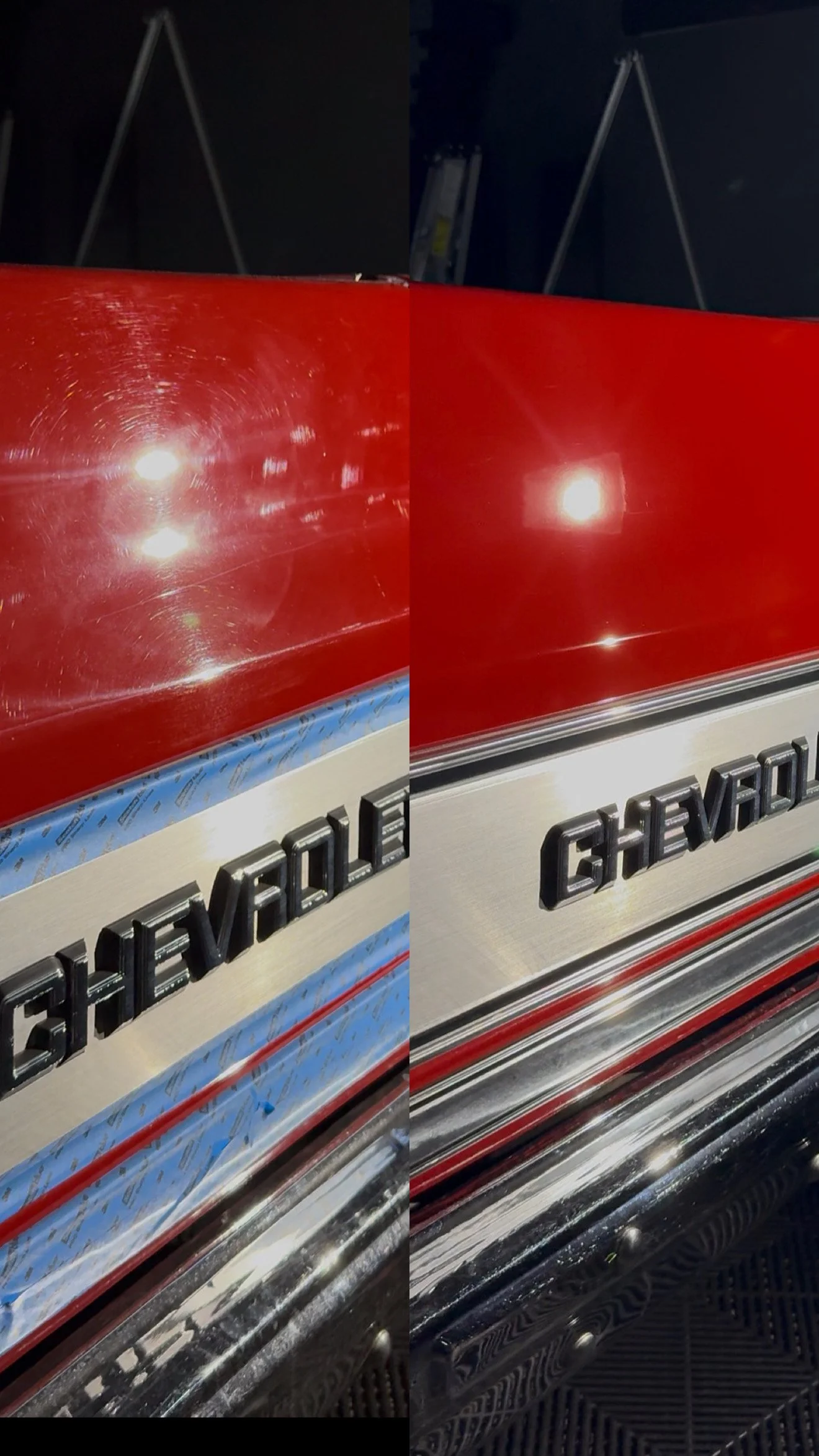
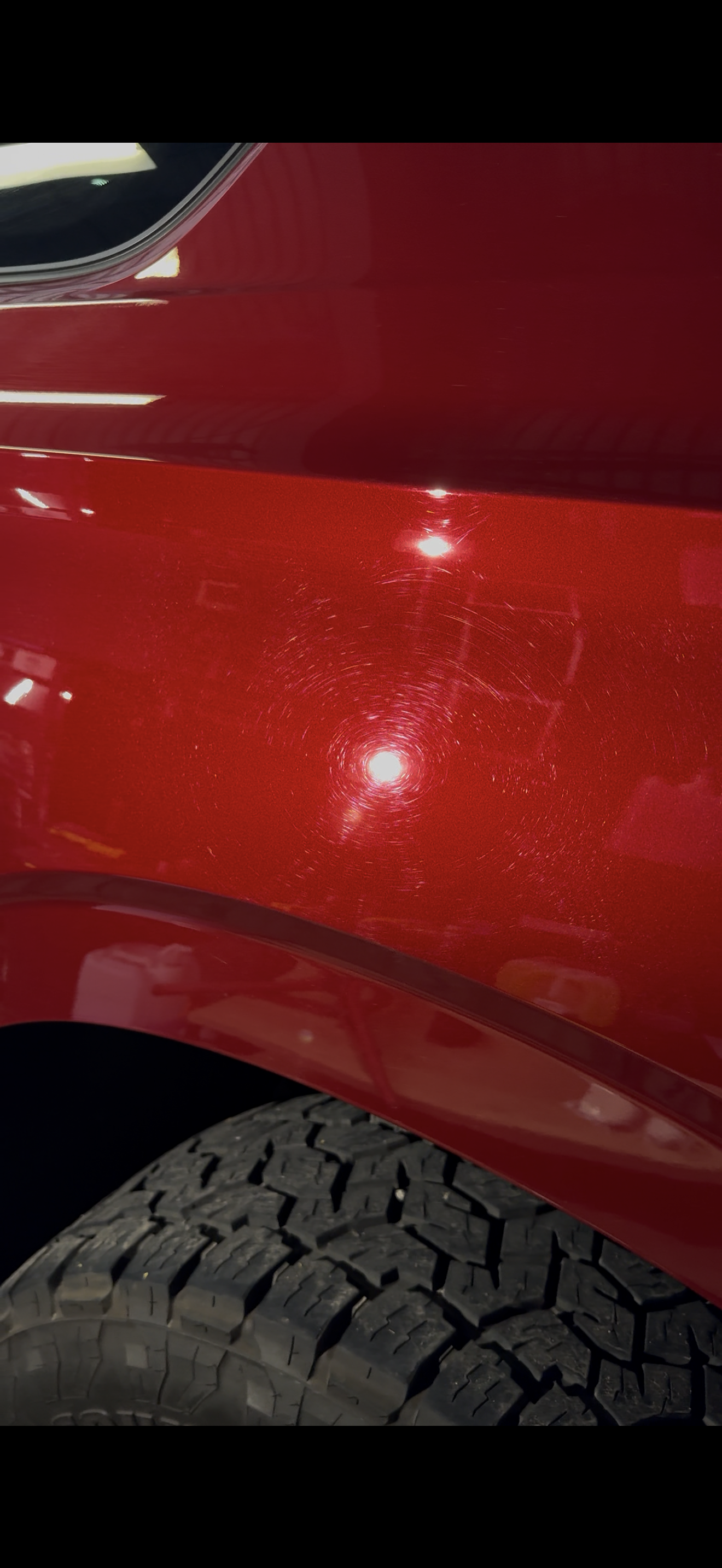
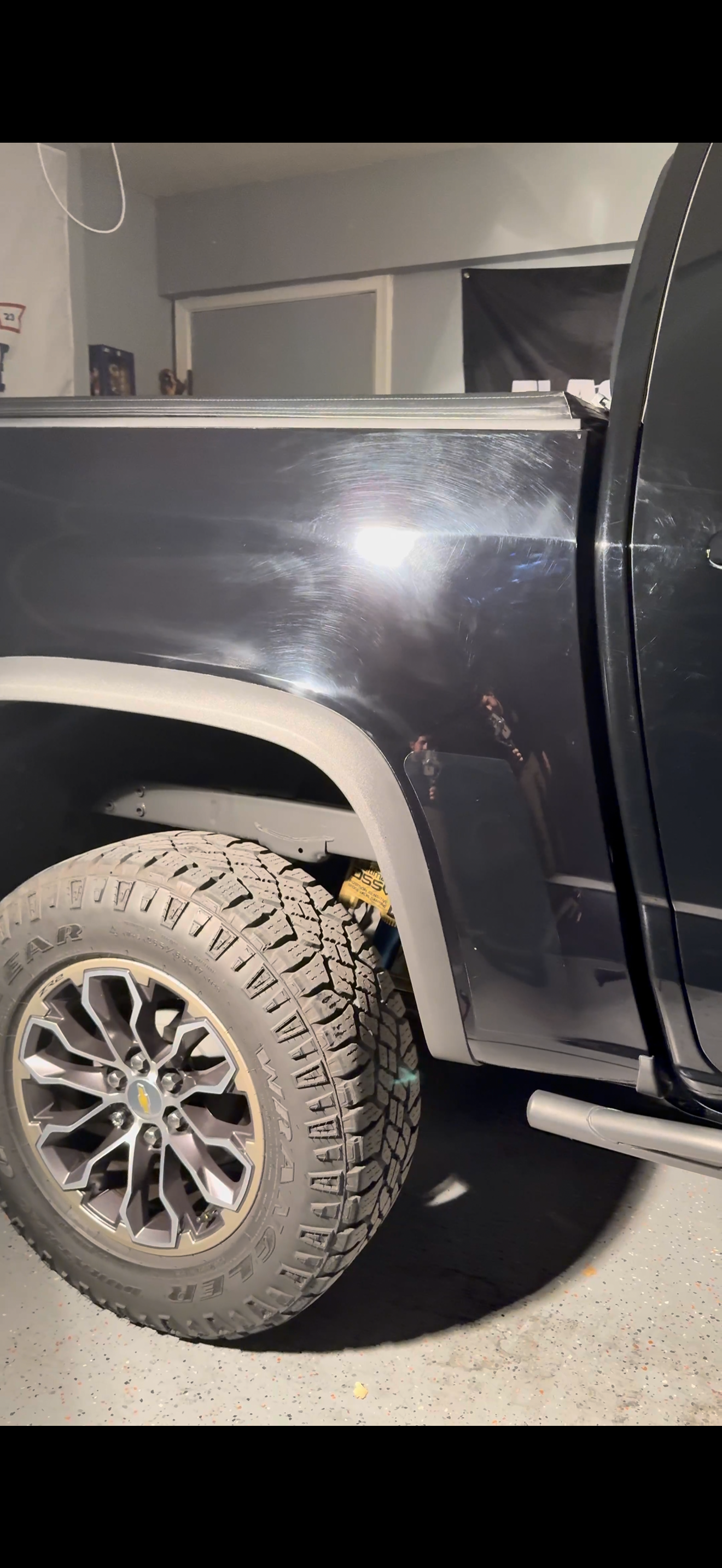
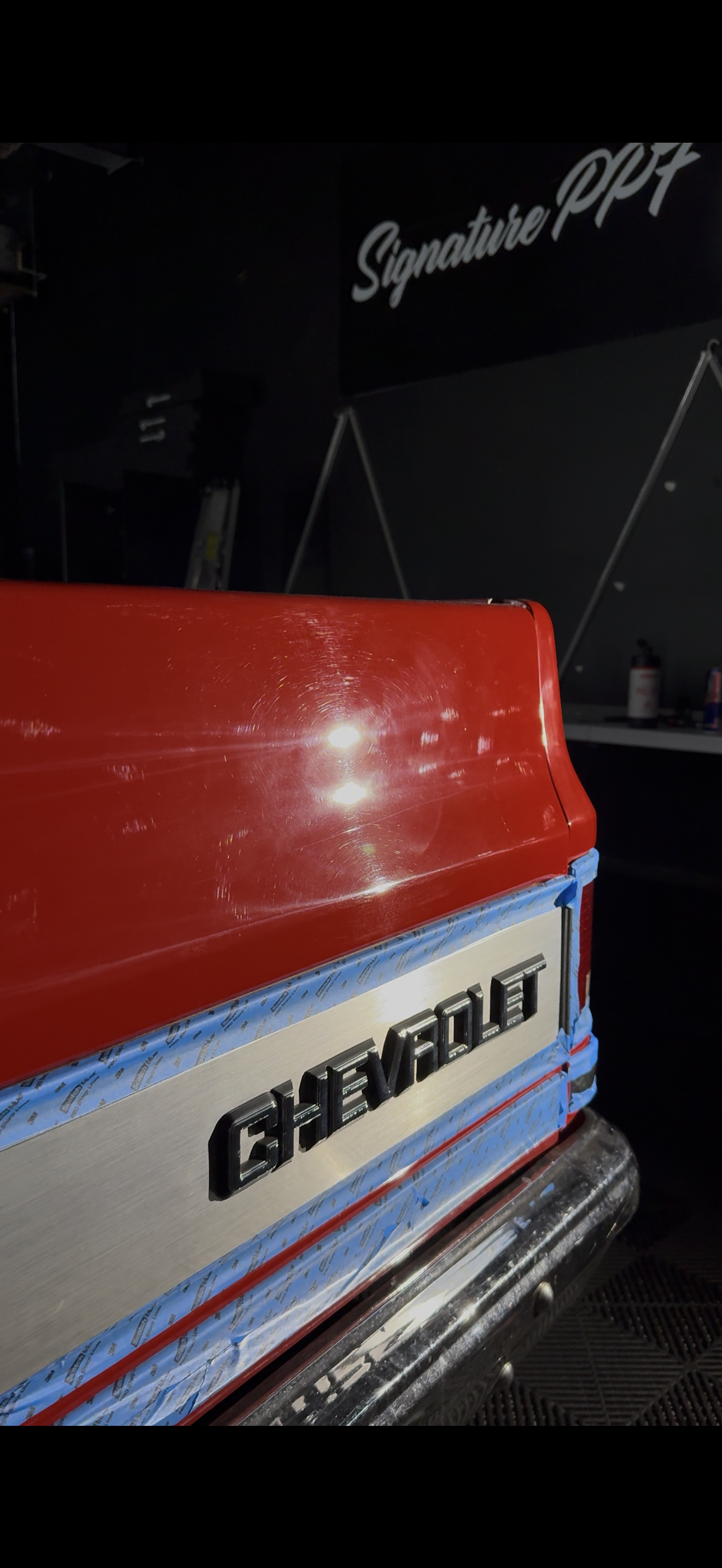
tired of Swirls and Scratches?
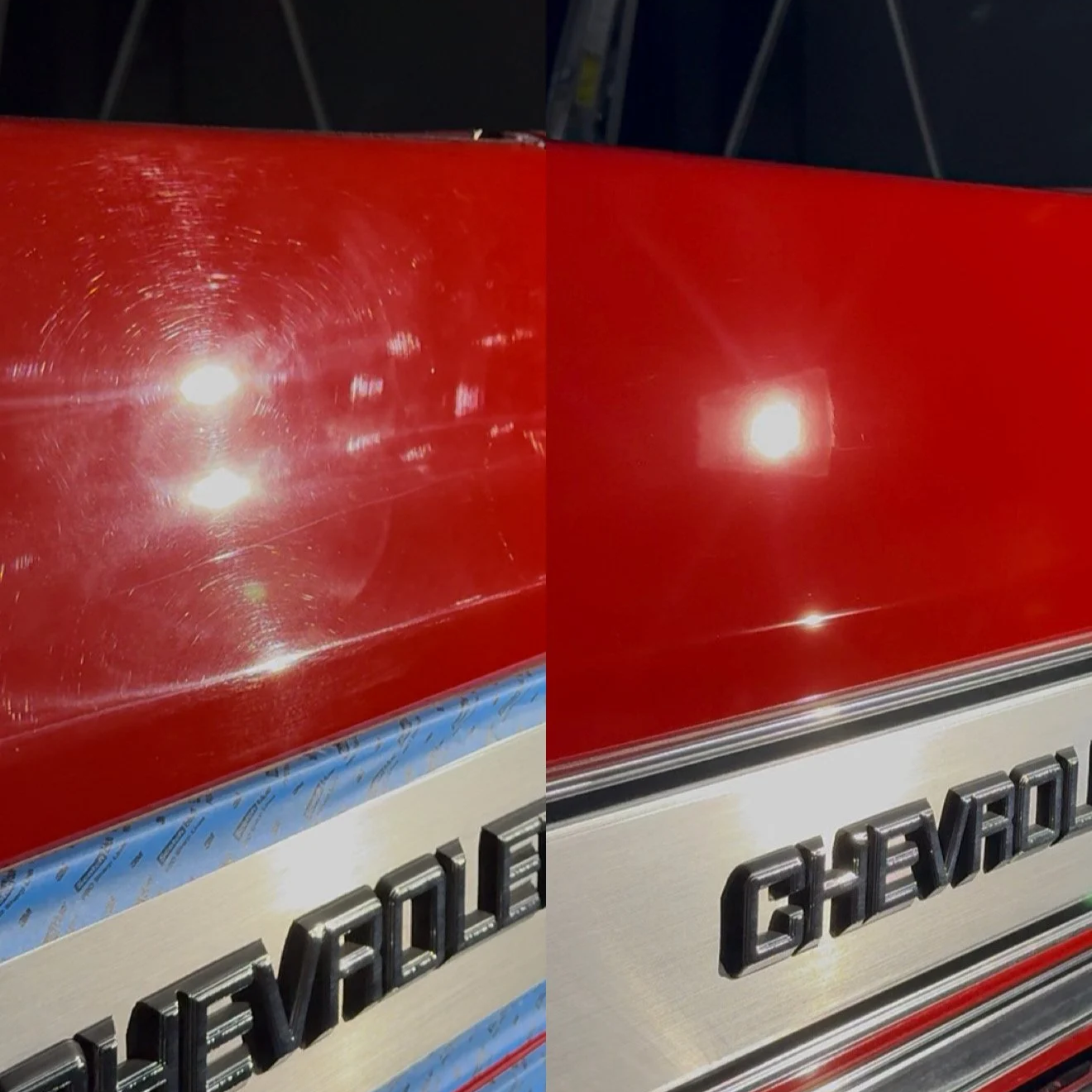
us too.
What kind of solutions are there?
-
Sometimes your paint doesn’t need a full correctio, it just needs to be brought back to life.
A paint enhancement is a light machine-polishing service designed to restore gloss, improve clarity, and refine the appearance of your paint while removing light surface imperfections and dullness.
It’s an ideal option for vehicles that are already in relatively good condition but have lost some of their depth and shine over time.
What it can help improve:
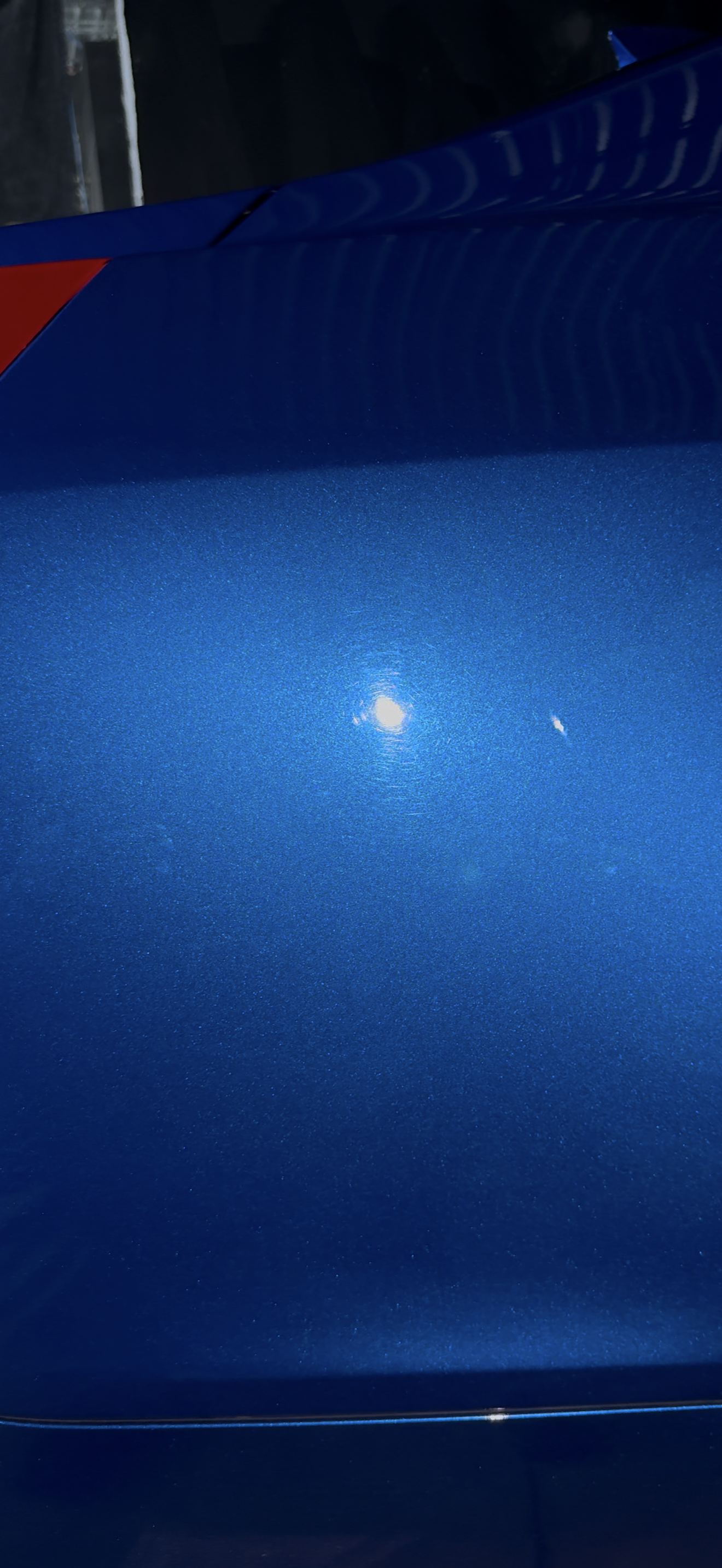
Light swirls and wash marks
Minor surface imperfections
Dull or hazy paint
Reduced gloss and clarity
Light oxidation
A paint enhancement is not designed to remove deep scratches or heavily damaged paint. Instead, the goal is to safely refine the finish and bring out the best appearance possible without aggressive correction.
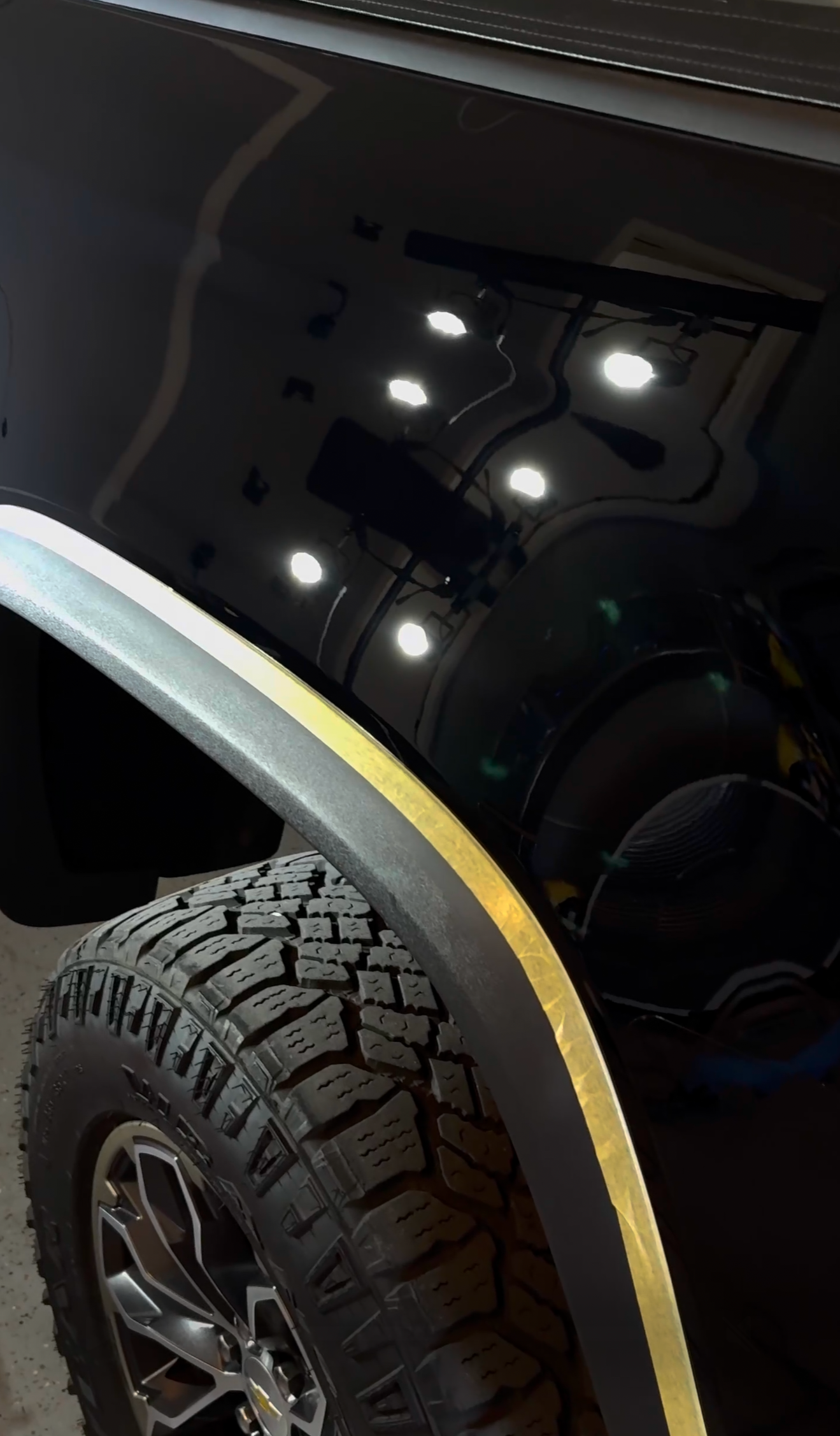
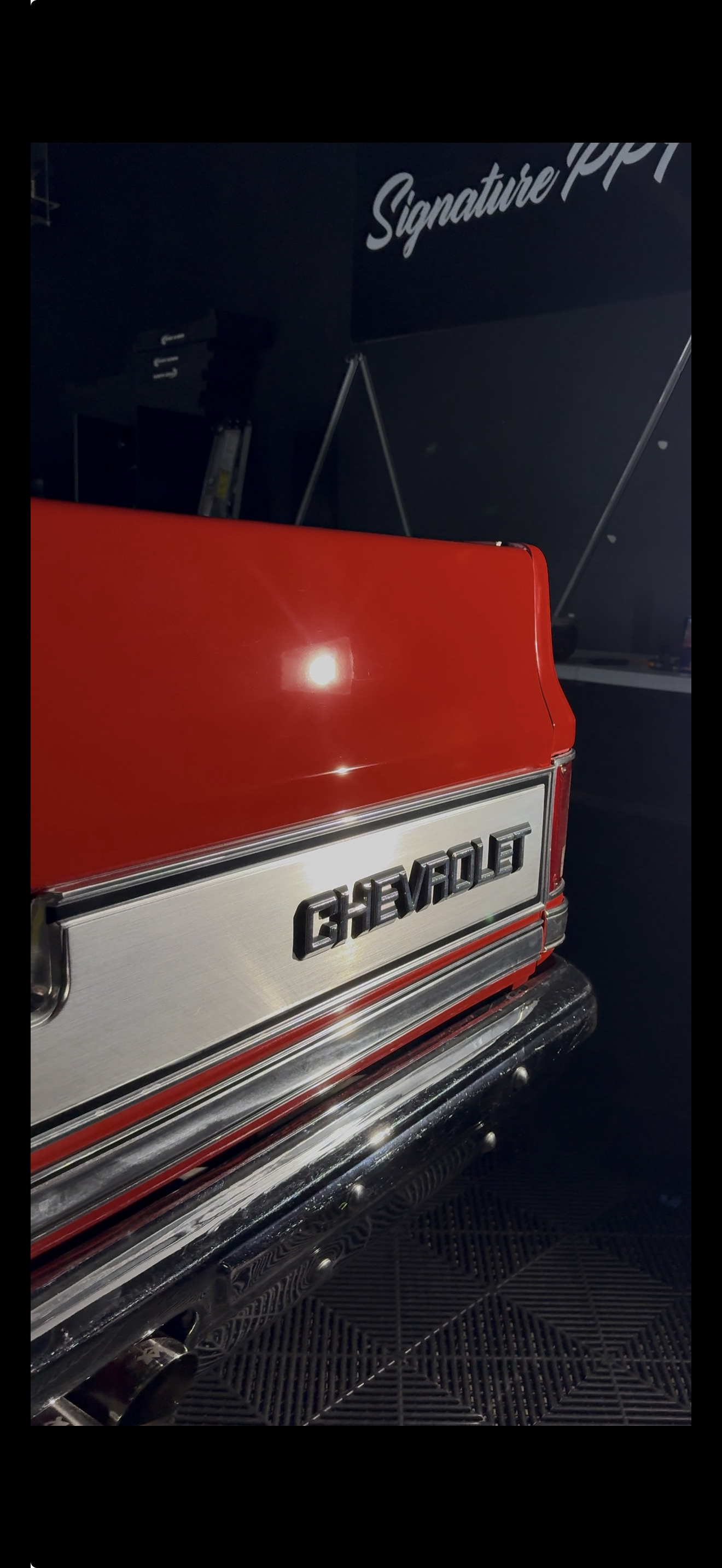
The result: a noticeably deeper, glossier, cleaner-looking finish without a full multi-stage paint correction.
-
When your paint has noticeable imperfections that go beyond what a paint enhancement can address, paint correction takes the restoration process further.
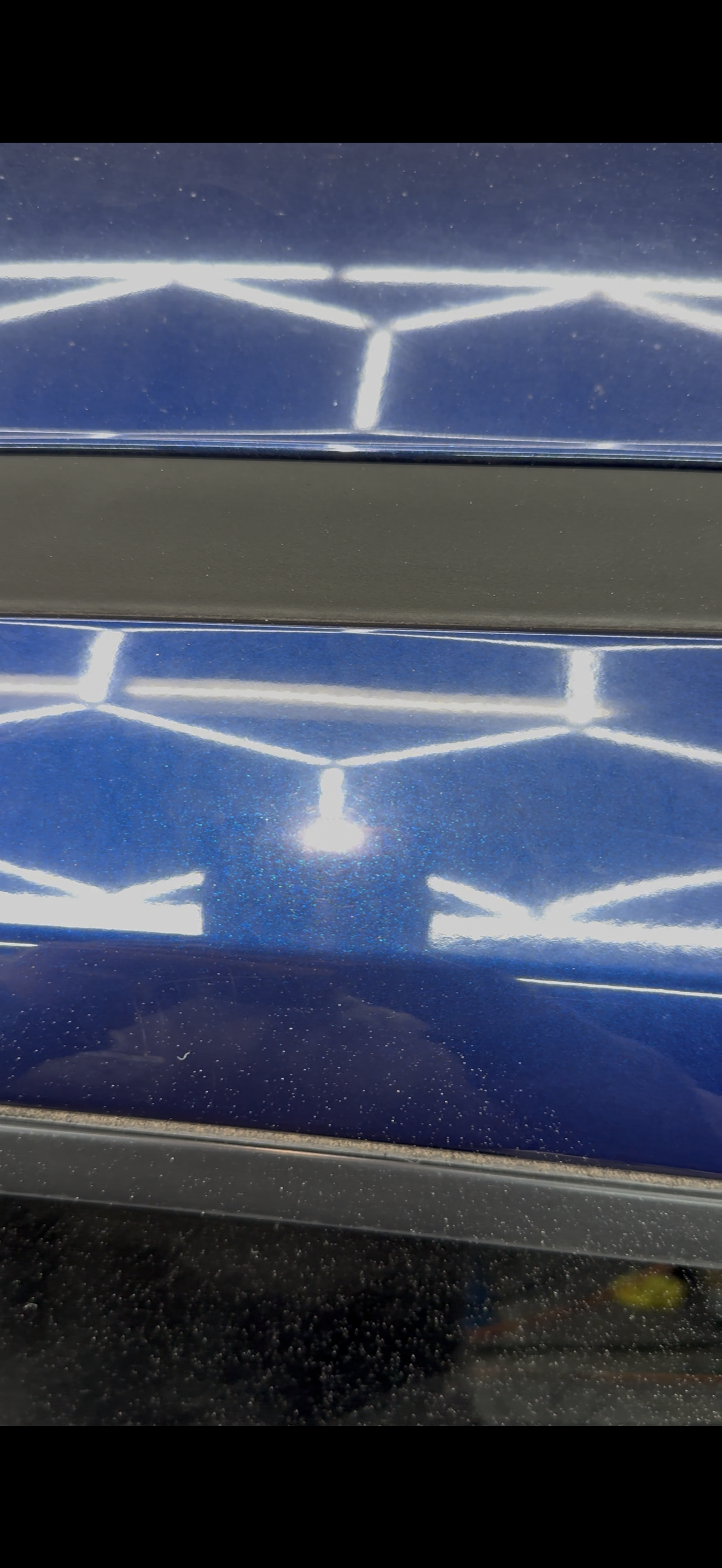
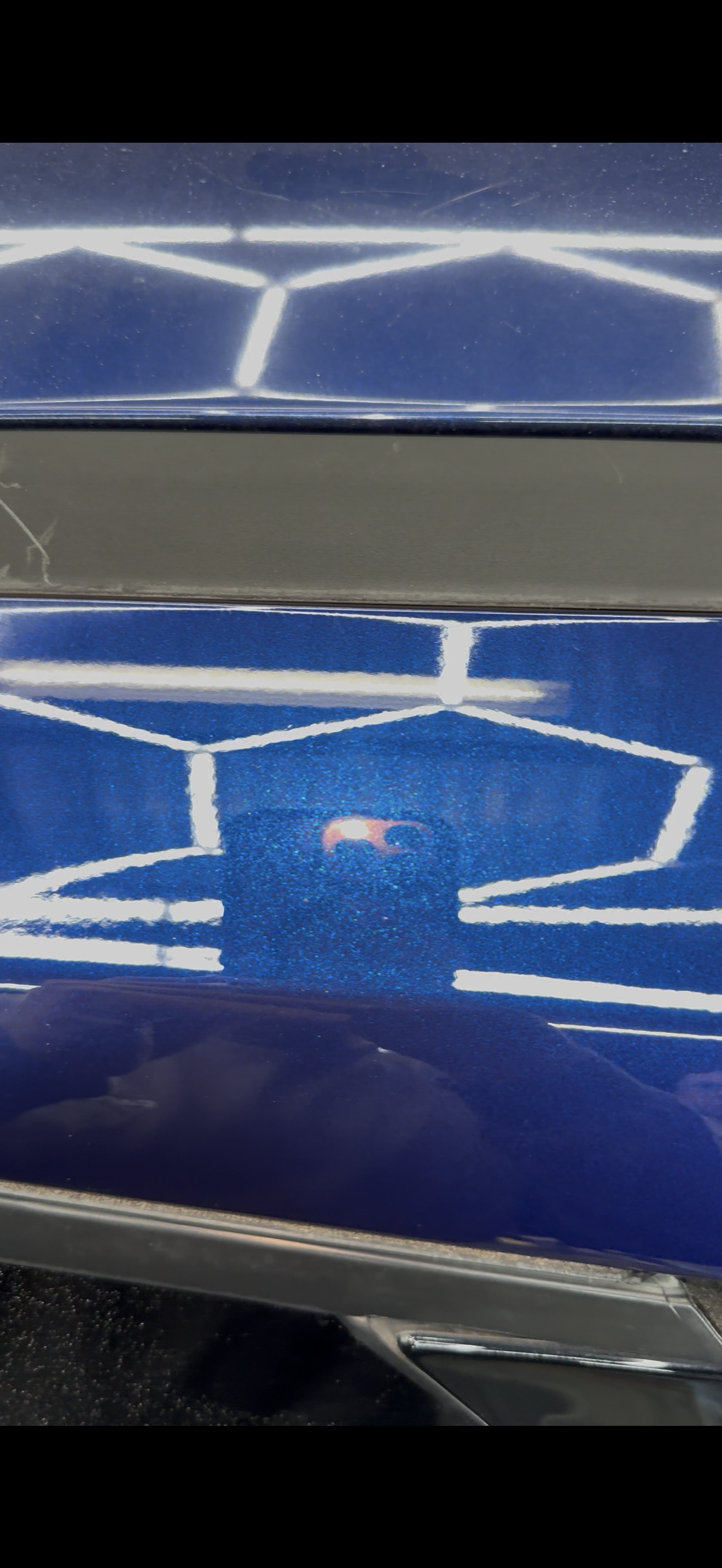
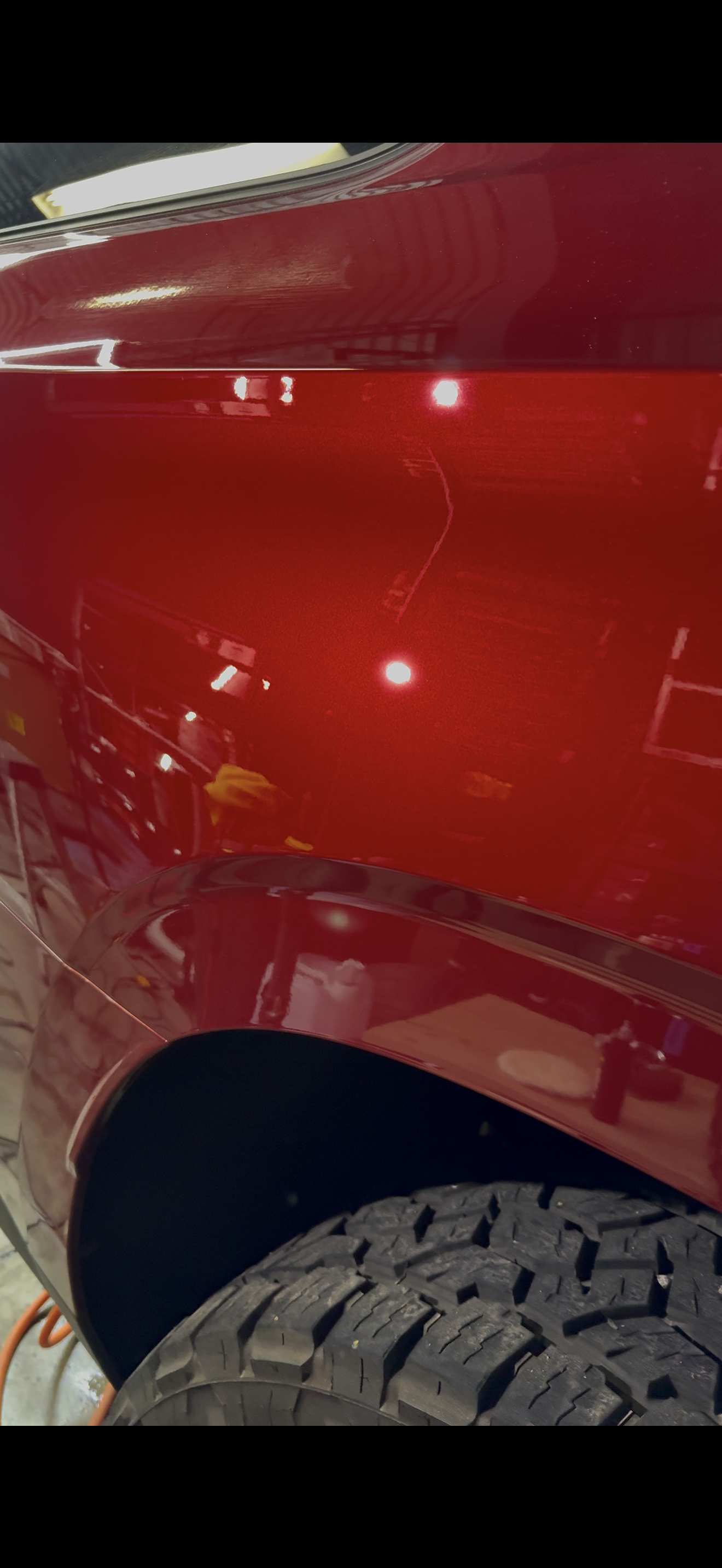
Paint correction is a machine polishing process designed to reduce and refine visible paint defects, restoring clarity, depth, and gloss to the finish.
It’s an ideal option for vehicles with swirl marks, scratches, oxidation, water spots, etching, and other imperfections that have accumulated over time.
What it can help improve:
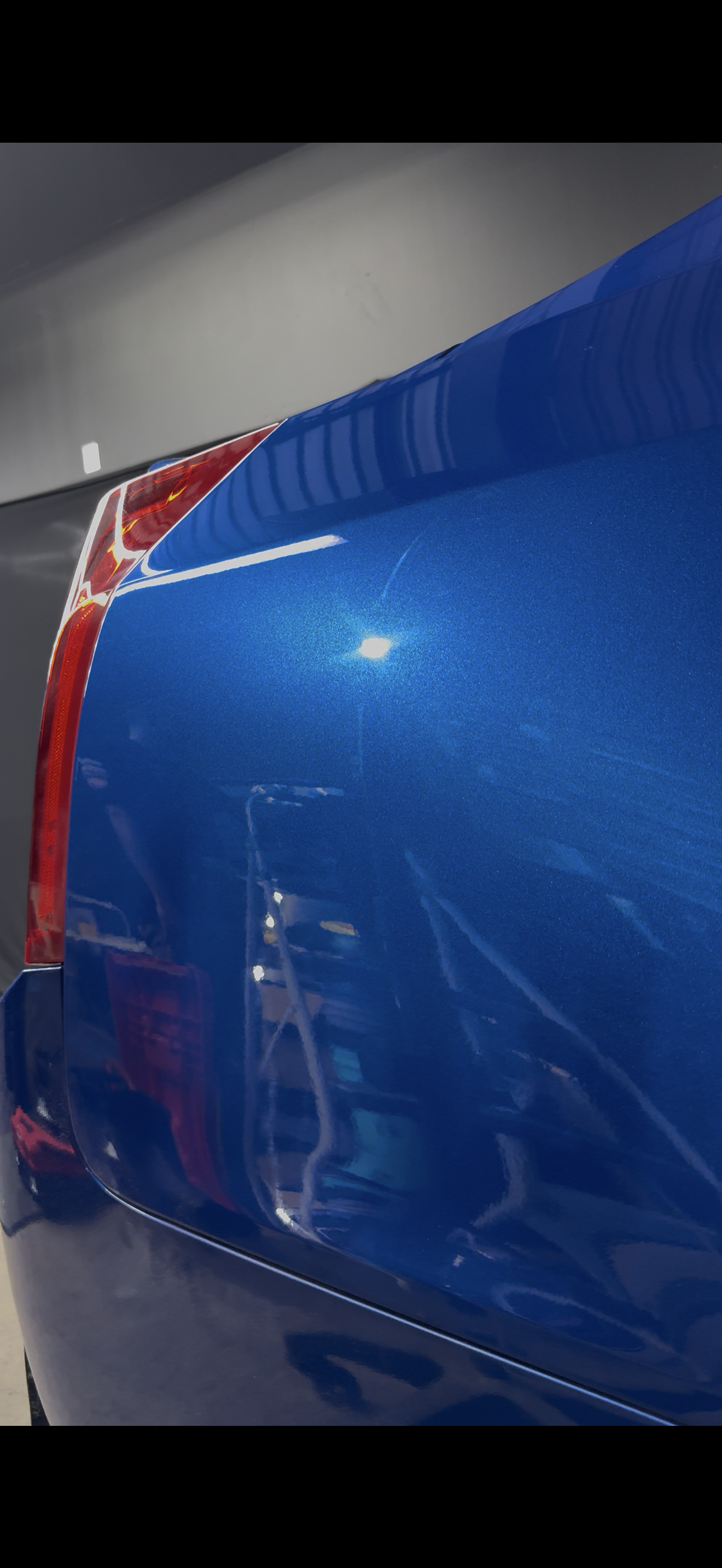
Swirl marks and wash scratches
Light to moderate scratches
Water spots and etching
Oxidation and paint haze
Paint imperfections and defects
Loss of gloss and clarity
Paint correction is available in different levels of correction, depending on the condition of the paint and the results you're looking to achieve. Deeper defects may not be completely removable without compromising the clear coat, so the goal is always to achieve the best possible finish while preserving the integrity of the paint.
The result: a dramatically clearer, deeper, and more refined finish with significantly fewer visible imperfections.
-
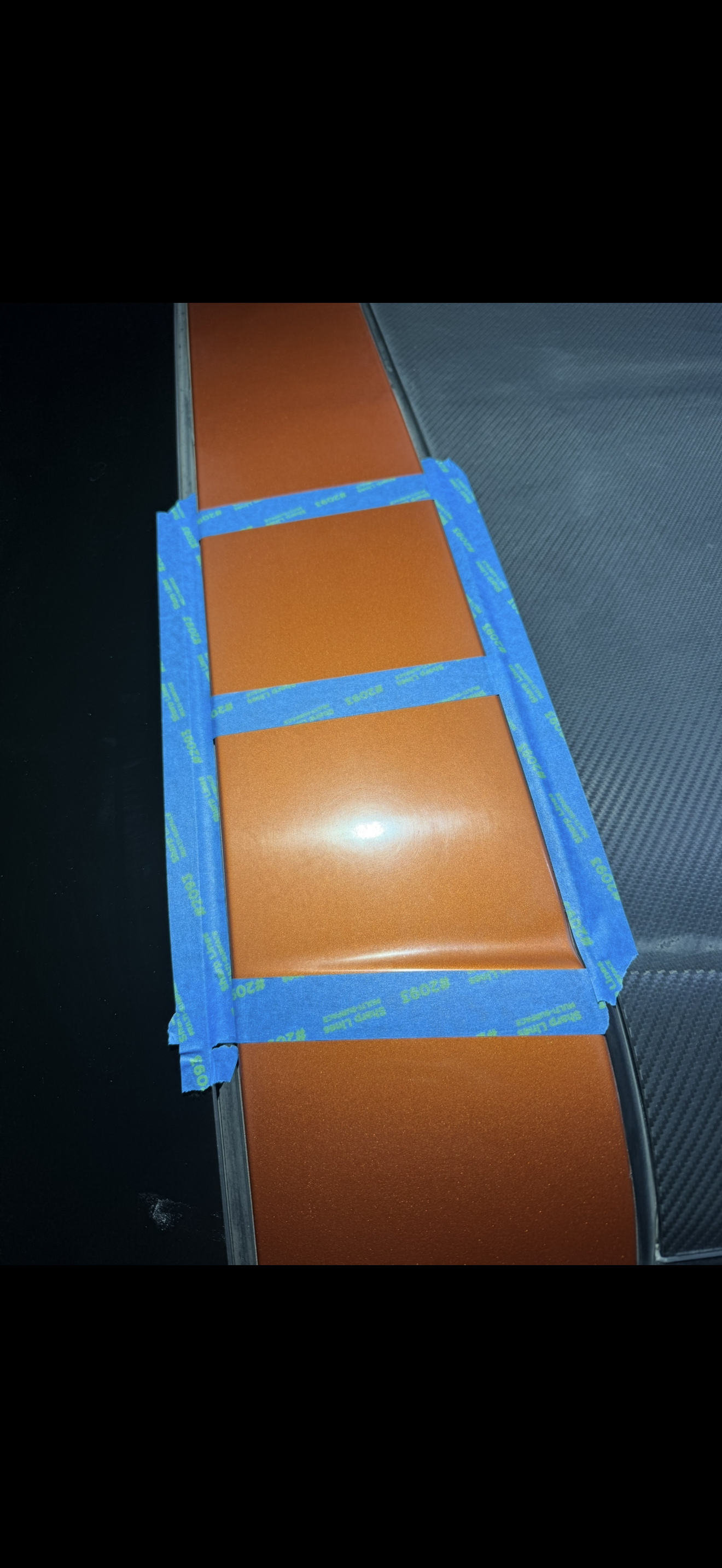
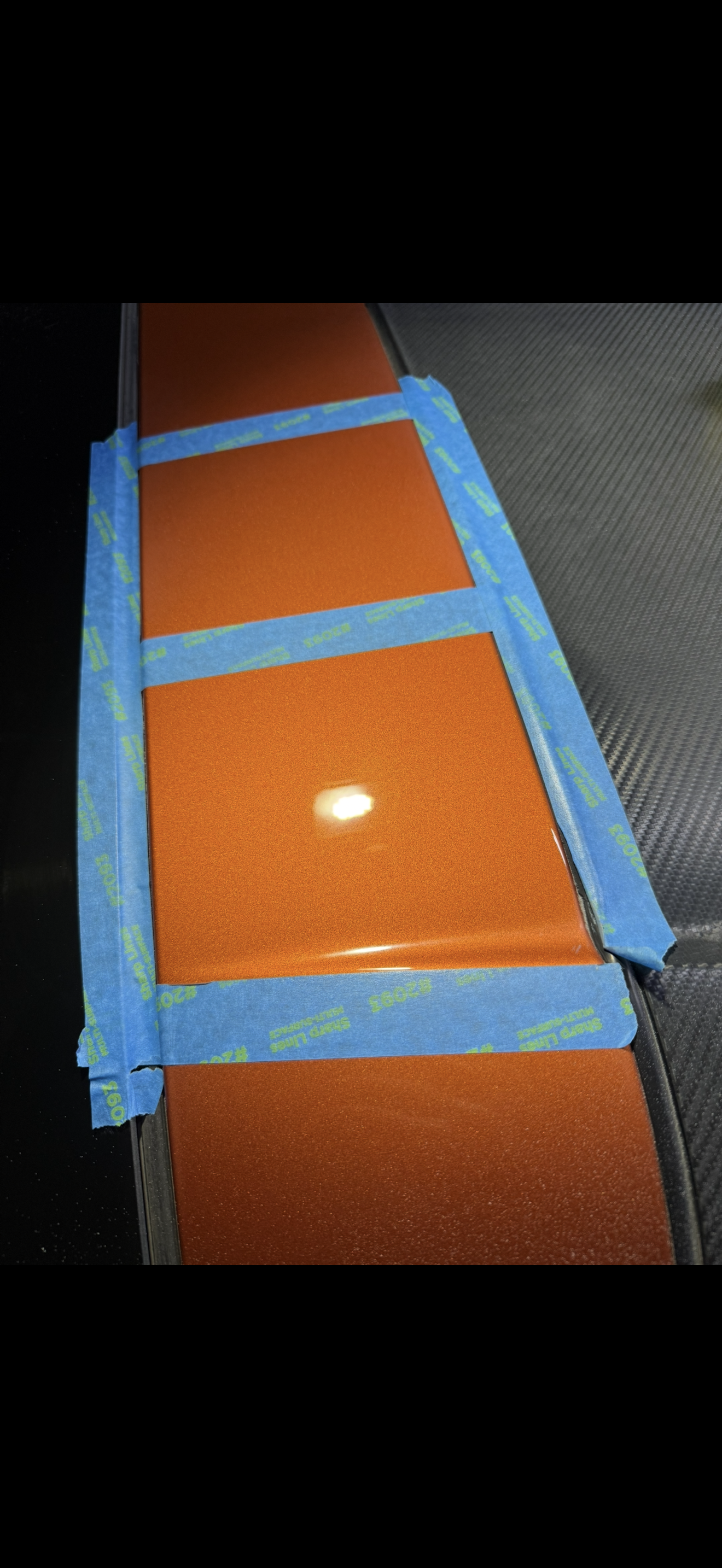
When paint defects are too severe for traditional polishing alone, wet and dry sanding can take the restoration process a step further.
Sanding uses carefully selected abrasives to level isolated imperfections and refine the paint surface before the polishing process brings back clarity and gloss.
It can be an effective solution for deeper scratches, heavy orange peel, severe water spotting, overspray, and other defects that require more aggressive correction.
What it can help improve:
Deeper isolated scratches
Heavy orange peel
Severe water spotting and etching
Overspray and paint imperfections
Texture inconsistencies
Other defects beyond traditional paint correction
Because sanding removes material from the clear coat, it requires careful evaluation and controlled technique. Not every defect can, or should, be completely removed.
The result: a flatter, more refined paint surface that can be polished to achieve exceptional clarity, depth, and gloss.
Paint Correction fAq’s
-
A paint enhancement focuses on restoring gloss and improving the overall appearance of the paint, while paint correction goes further by reducing visible imperfections such as swirls, scratches, oxidation, and water spots.
-
Not necessarily. Some defects are too deep to safely remove without compromising the clear coat. Our goal is to achieve the best possible correction while preserving the integrity of your paint.
-
That depends on the condition of your paint and the results you're looking for. Every vehicle is evaluated individually before we determine the appropriate level of correction.
-
Paint correction removes an extremely small amount of clear coat through controlled polishing. The process is carefully selected to correct defects while preserving as much healthy clear coat as possible.
Wet & dry sanding faQ’s
-
Sanding is reserved for defects that traditional polishing cannot effectively address, such as deeper scratches, heavy orange peel, severe water etching, or overspray.
-
No. If a scratch has penetrated too deeply into the paint system, attempting to remove it completely can cause more harm than good. We'll evaluate the defect and determine what can safely be improved.
-
Sanding is only part of the correction process. After sanding, the surface is progressively refined and polished to restore clarity, depth, and gloss.
-
Yes. Once the paint has been properly refined and prepared, ceramic coating can be applied to help protect the restored finish.
A coating's rated lifespan isn't a guarantee that it will look or perform exactly the same on the final day. Proper maintenance and care are what allow the coating to perform throughout its intended lifespan.
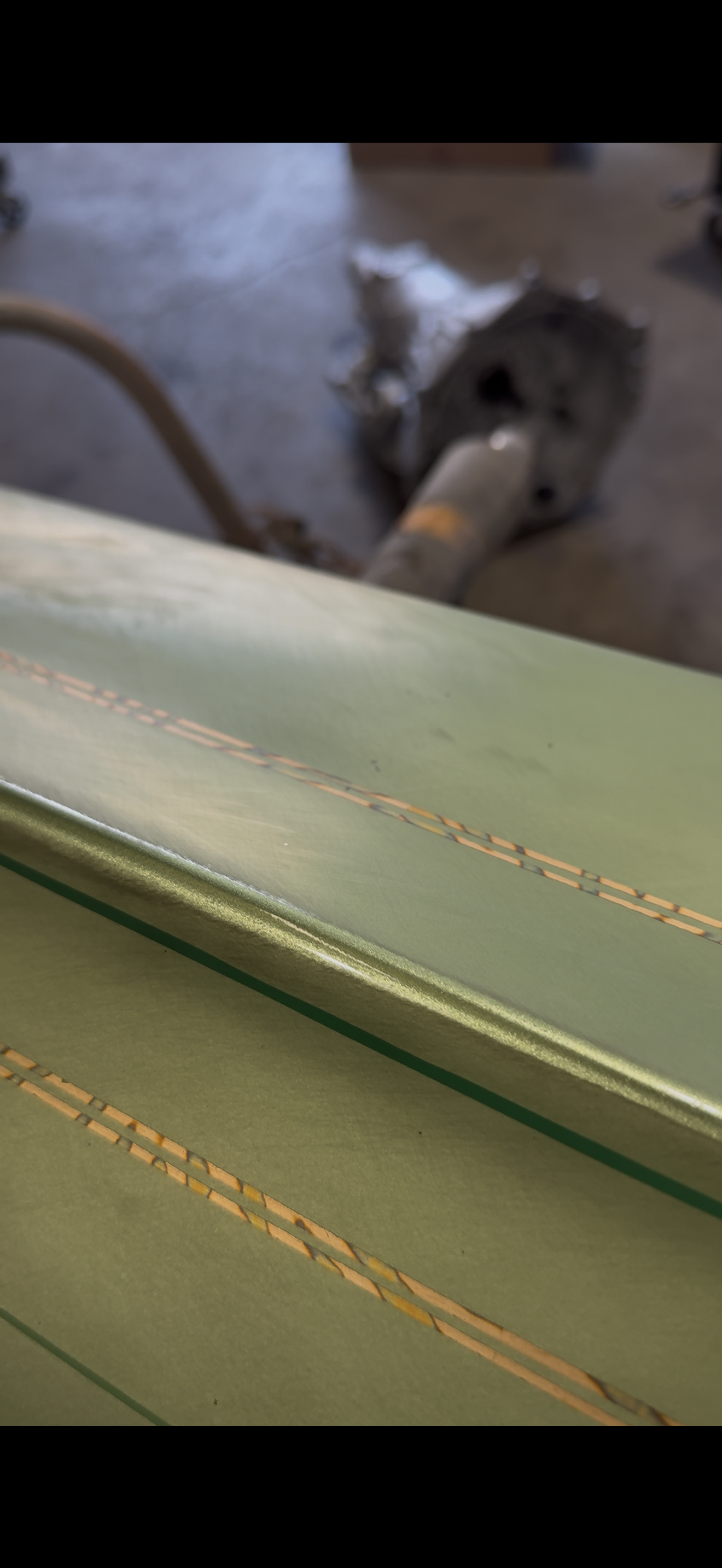
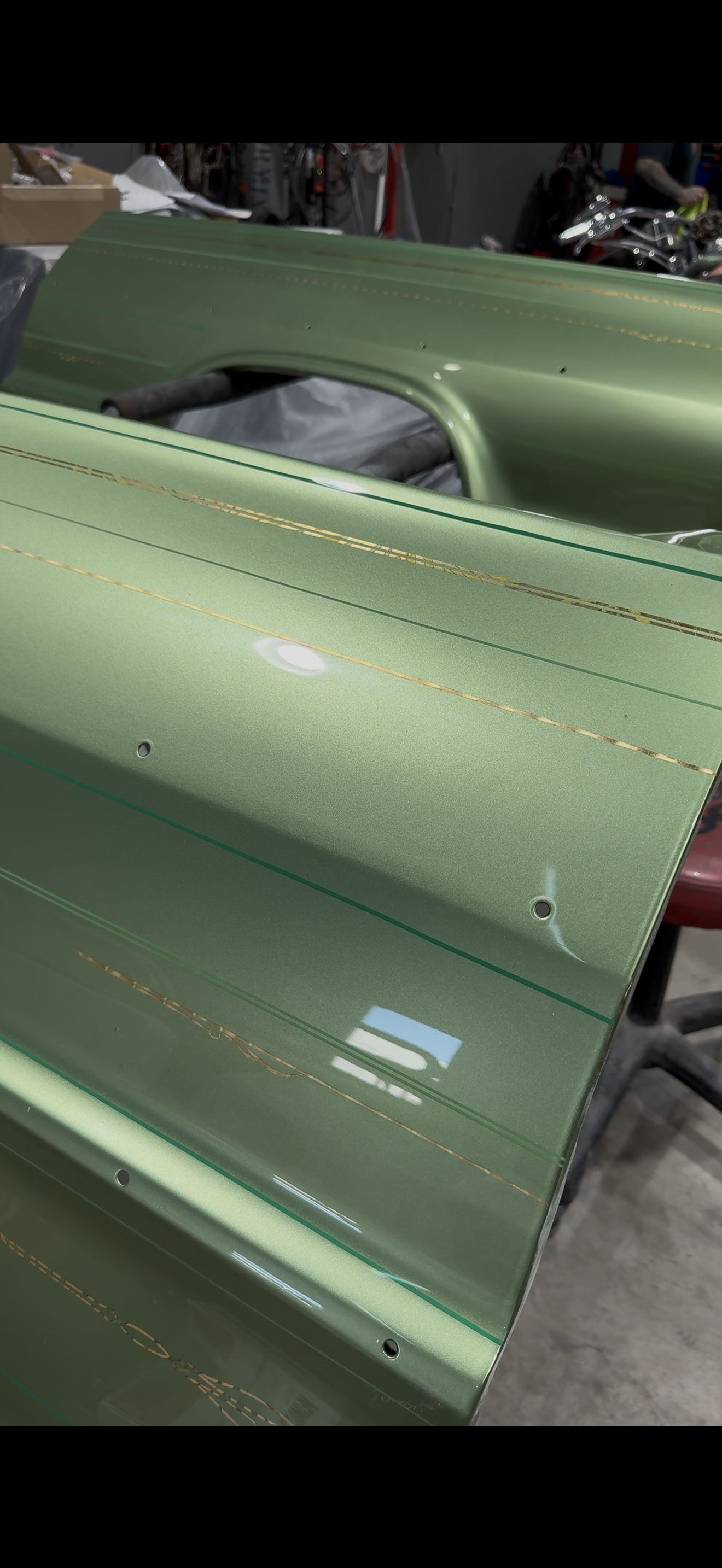
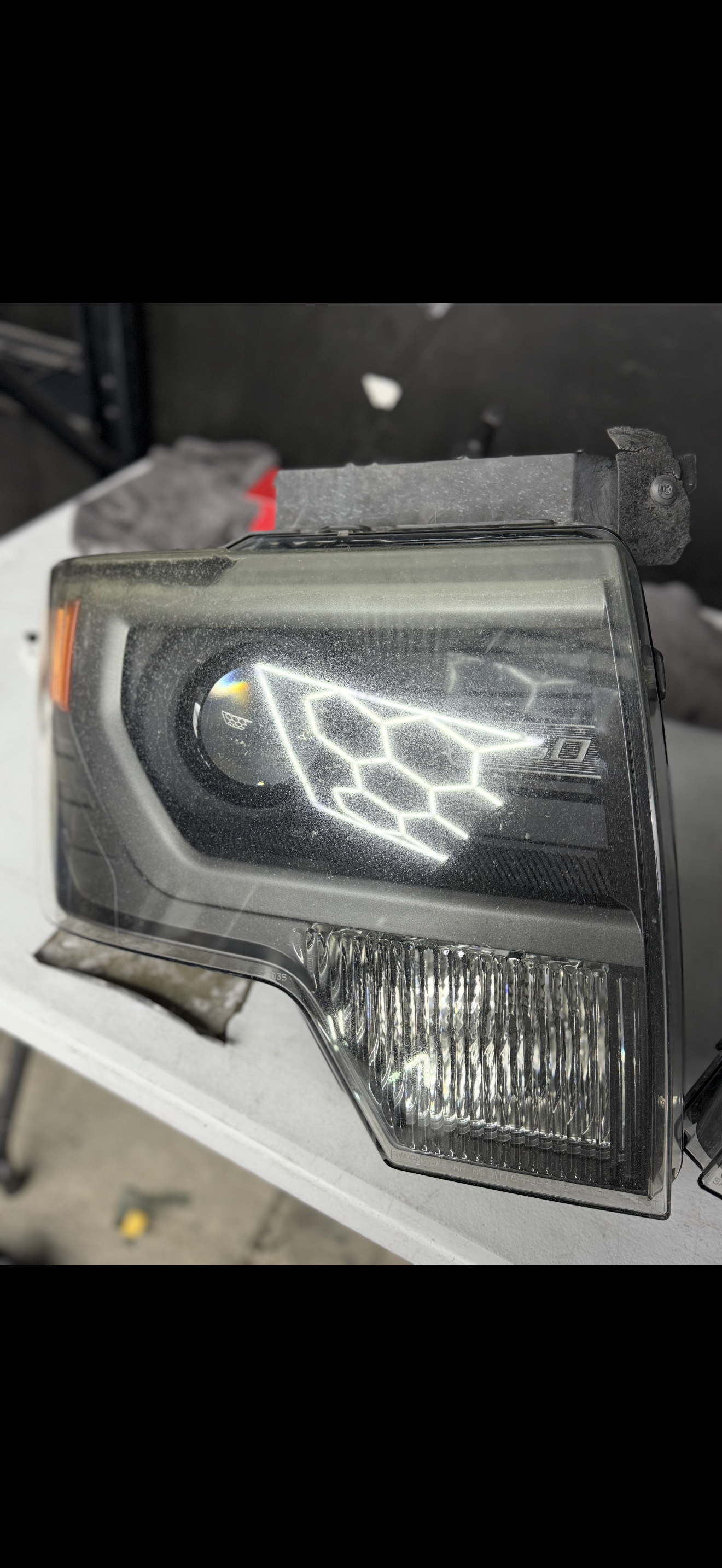
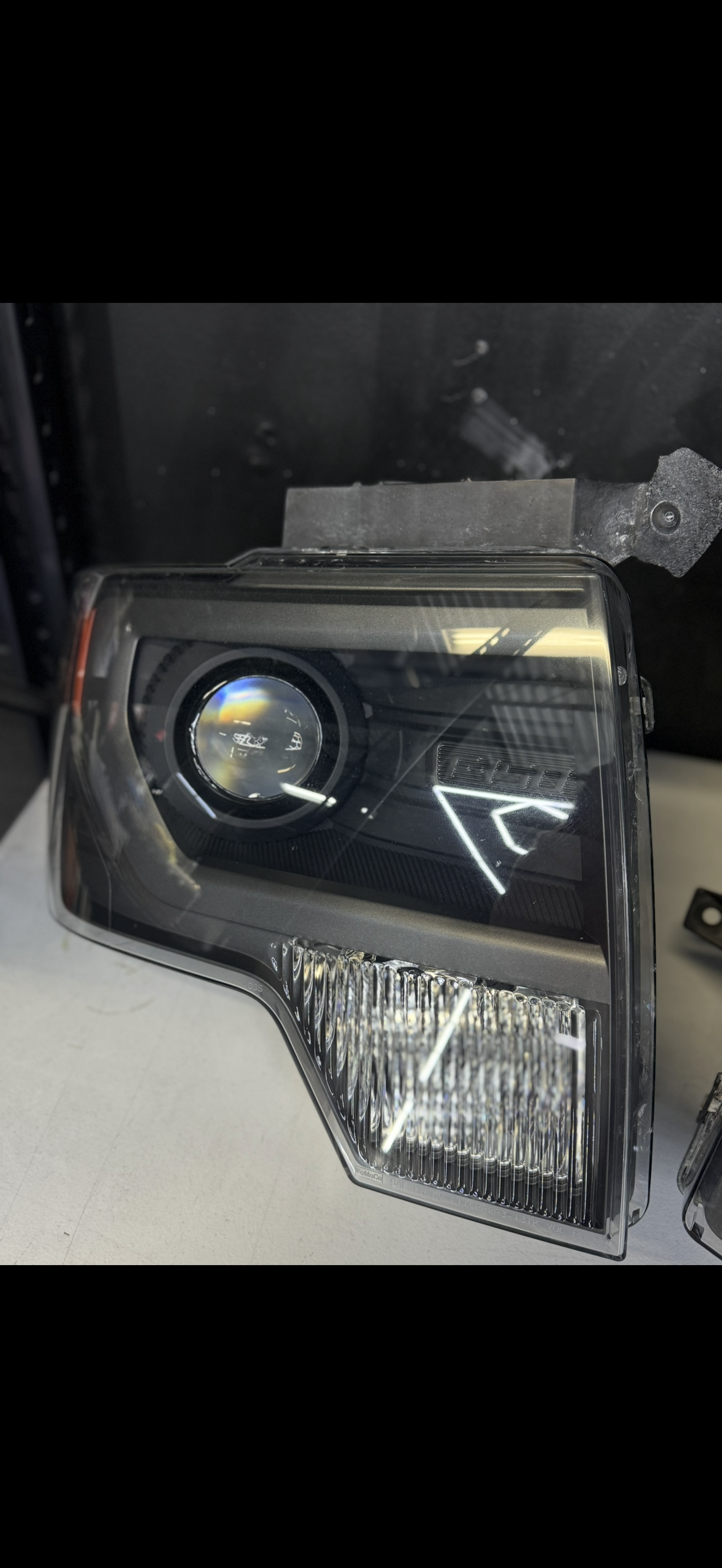
Have a defect you're not sure can be corrected?
Every vehicle is different. Schedule a consultation, and we'll evaluate the paint, determine what we can safely correct, and recommend the right solution.